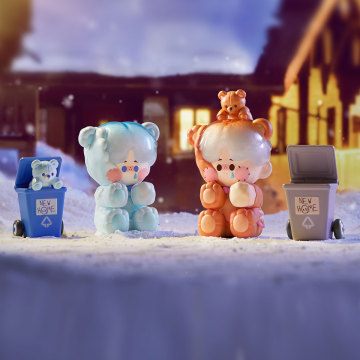
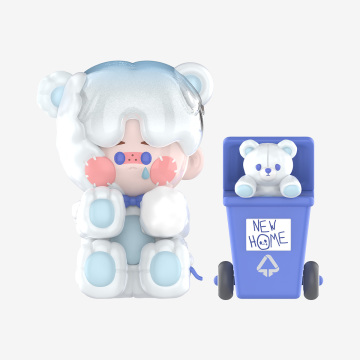
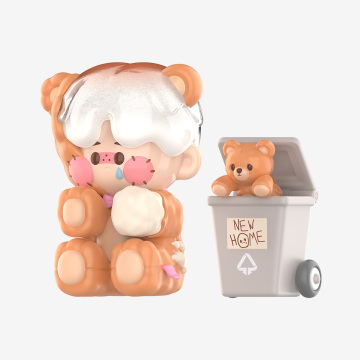
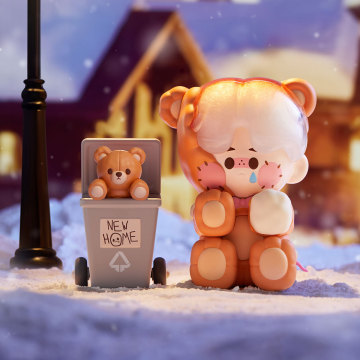
PopMart Pino Jelly Figurines: The Ultimate Guide To Cute Collectibles
Have you ever scrolled through social media and stumbled upon a tiny, translucent, impossibly cute character with a mischievous grin, only to find yourself instantly charmed and wondering, "What is that adorable thing?" If so, you’ve likely encountered the phenomenon of PopMart Pino Jelly figurines. These little bundles of joy have exploded from niche designer toy circles into a global cultural craze, captivating hearts and emptying wallets with equal efficiency. But what exactly are they, and why has this specific jelly-like character become such a monumental success in the world of collectibles? This guide dives deep into the vibrant universe of Pino Jelly, exploring its origins, the psychology of its appeal, the ins and outs of collecting, and why it’s more than just a toy—it’s a modern art movement you can hold in your palm.
The Birth of a Cute Phenomenon: Understanding Pino Jelly’s Origins
To truly appreciate the Pino Jelly frenzy, we must first understand its roots. Pino Jelly is not a character born from a movie, comic, or video game. Instead, it is the flagship creation of Kasing Lung, a renowned Hong Kong-based artist and designer. Lung is the creative force behind the "How2Work" studio and is celebrated for his distinct "cute-but-fanged" aesthetic, blending whimsical innocence with subtle, playful mischief. His design philosophy often features round, soft shapes contrasted with sharp, tiny details like fangs or devilish horns, creating an irresistible tension between sweetness and slyness.
Pino Jelly was first conceptualized as a 3D realization of Lung's 2D artwork. The character is a small, ghost-like creature with a translucent, jelly-like body, a single large eye, and a perpetually cheeky smile. Its design is deceptively simple yet masterfully executed. The translucency is a key feature, achieved through specific vinyl manufacturing techniques that give the figurine a candy-like, gelatinous appearance. This tactile quality, combined with its minimalist facial expression that somehow conveys a range of emotions from curiosity to pure joy, is the cornerstone of its mass appeal. The name itself is a portmanteau: "Pino" likely references a playful, almost nonsensical sound, while "Jelly" directly describes its iconic material look.
The partnership with PopMart, a Chinese collectibles brand that has become a titan in the designer toy industry, was the rocket fuel for Pino Jelly's global ascent. PopMart specializes in the blind box model—a packaging system where the specific figurine inside is a mystery until opened. This model, combined with controlled production runs and strategic collaborations, transforms simple toys into highly sought-after collectibles. PopMart’s massive distribution network, marketing prowess, and understanding of youth culture took Lung’s art from conventions to mainstream shopping malls and online platforms worldwide. The first major Pino Jelly series launched under the PopMart banner in 2019 and quickly became a cornerstone of their product line, proving that original character design could thrive in the blind box ecosystem.
Why Pino Jelly Has Captured Hearts Worldwide: The Psychology of Cute
The success of Pino Jelly is not an accident; it’s a perfect storm of design psychology and market timing. At its core, the character masterfully exploits the concept of "kawaii" (cute) culture, which has profound psychological and commercial power, particularly in East Asia and increasingly globally. The round, soft shapes, large eye, and small mouth are textbook features of "baby schema" (Kindchenschema), a set of physical traits that trigger innate caregiving and affectionate responses in humans. We are biologically wired to find things with these features cute, and Pino Jelly is a masterclass in this design language.
However, Pino Jelly elevates pure cuteness with a layer of personality and narrative. That single, winking eye and slight smirk suggest a secret, a knowingness, a touch of rebellion. It’s not just a passive, sweet object; it has an attitude. This "cute-but-fanged" or "kawaii-with-an-edge" quality makes it feel more like a companion with a soul than a static toy. Collectors don’t just buy a shape; they buy a vibe, a tiny emissary of playful mischief. This depth allows for emotional projection—one person might see their own cheeky side in Pino, another might see a comforting, silent friend. This emotional connection is the primary driver behind repeat purchases and the desire to collect multiple variants.
Furthermore, the tactile and visual experience of the figurine itself is a huge part of the appeal. The matte, slightly rubbery vinyl used in many series has a satisfying, soft feel that contrasts beautifully with its hard plastic base. The translucency allows light to pass through, creating a gentle glow effect that feels magical. In special series, this is enhanced with glitter, pearlescent finishes, or glow-in-the-dark elements. Holding a Pino Jelly is a sensory experience—it’s weighty enough to feel substantial, smooth to the touch, and visually delightful. In an increasingly digital world, this tangible, beautifully crafted object provides a concrete point of joy and focus. The combination of primal cuteness, implied personality, and superior physical execution creates a product that resonates on multiple human levels, explaining its cross-cultural magnetism.
The Thrill of the Hunt: A Collector’s Guide to Pino Jelly Blind Boxes
For newcomers, the world of PopMart blind boxes can seem daunting, but understanding the system is key to enjoying the hunt. A standard Pino Jelly blind box contains one randomly selected figurine from a set of typically 12 regular designs, plus often 1-2 secret or chase variants. The chase variants are produced in lower quantities (often a ratio of 1:144 or even rarer) and feature unique paint apps, accessories, or entirely new sculpts, making them the holy grails for serious collectors. The thrill of potentially pulling a rare chase is a massive part of the blind box allure.
Series and Themes are the heart of Pino Jelly collecting. PopMart releases new themed series regularly. Some of the most iconic include:
- Pino Jelly Forest: The original series, featuring Pino in various earthy tones and nature-inspired patterns like leaves and mushrooms.
- Pino Jelly Sweet: A dessert-themed series with Pino decorated like cakes, donuts, and candies.
- Pino Jelly Space: Cosmic adventures with galaxy swirls, planets, and astronaut gear.
- Pino Jelly Zodiac: A highly popular series where each of the 12 zodiac signs is reimagined as a uniquely decorated Pino.
- Pino Jelly x [Collaboration]: PopMart frequently partners with other brands, artists, and even cities. Collaborations with global icons like Coca-Cola, Sanrio (Hello Kitty), or popular video games create instant must-have items that blend the Pino aesthetic with another beloved universe.
So, how does one start collecting wisely? First, identify your goal. Are you hunting for a specific favorite design, aiming to complete a full set, or just buying for the joy of opening? Set a budget. Blind boxes typically cost between $10-$20 USD, but rare chase figures on the secondary market can skyrocket to $100-$500+. Buy from authorized retailers—the official PopMart website, their physical stores, and licensed partners like Toys "R" Us in some regions. This is the single most important tip to avoid counterfeits, which are rampant. Fake Pino Jellies often have sloppy paint, incorrect translucency, softer/more rubbery vinyl, and lack the fine details of the authentic product. When in doubt, compare side-by-side with high-resolution images from official sources.
The Booming Market: From Hobby to Investment
What was once a casual hobby has evolved into a serious collector economy. The Pino Jelly market operates on two levels: the primary retail market (blind boxes from PopMart) and the vibrant secondary resale market on platforms like eBay, StockX, and dedicated collector groups on Facebook and Instagram. In this secondary market, value is dictated by a simple formula: rarity + demand + condition. A common regular Pino from a recent series might sell for $15-$25. A chase variant from a popular series like Zodiac might fetch $80-$150. A "super secret" or a collaboration piece can command $300-$1000+ if it’s from an older, sold-out series.
This market dynamics have created a new class of "flippers"—people who buy blind boxes with the primary intent of quickly reselling valuable pulls for profit. While this practice is controversial among pure collectors, it’s an undeniable part of the ecosystem and a testament to the brand's value. For the average fan, understanding this market is useful for setting expectations and knowing that a $12 blind box purchase could yield a item worth significantly more, but the odds are always stacked in favor of the house (PopMart). The real "investment" for most is the personal joy and aesthetic value of the collection.
The community itself is a huge driver of the phenomenon. Social media platforms, especially Instagram and TikTok, are flooded with #PinoJelly content—unboxing videos, collection showcases, custom repaints, and creative photoshoots ("Pino in real-life settings"). This user-generated content acts as free, powerful marketing, creating a feedback loop of desire. Seeing a beautifully curated collection or a hilarious custom Pino (like one painted as a famous painting) inspires others to join in. PopMart actively fuels this by releasing limited edition figures at conventions like Comic-Con or through pop-up stores, creating FOMO (fear of missing out) and exclusive club-like feelings among owners.
Building and Caring for Your Pino Jelly Collection
Once you start acquiring these charming figures, the question becomes: how do you best enjoy and preserve them? Display is a major part of the fun. Due to their small size (typically 2.5-3 inches tall), Pino Jellies are perfect for:
- Desk Buddies: A small cluster on a work desk or computer monitor adds constant cuteness to your day.
- Wall Shelves & Ledges: Creating a colorful, staggered row is a popular aesthetic.
- Dedicated Display Cases: For serious collectors, glass-fronted cabinets with LED lighting showcase collections beautifully and protect from dust.
- Themed Dioramas: Some advanced collectors build miniature worlds (a forest floor, a dessert kitchen) for their Pinos to inhabit, telling a story.
Care and maintenance are straightforward but important. The vinyl can attract dust. Use a soft, dry microfiber cloth for regular dusting. For deeper cleaning, a damp cloth with a tiny drop of mild soap can be used, but avoid harsh chemicals, alcohol, or abrasive cleaners, as they can damage the paint and vinyl. Never submerge them in water. Store them away from direct, prolonged sunlight, as UV rays can cause colors to fade over time. If you plan to keep figures in their original boxes for resale value, store boxes in a cool, dry place away from humidity, which can warp cardboard.
A growing trend is customization and "repainting." Some talented artists buy common Pino figures, strip the factory paint, and hand-paint entirely new designs, which they then sell as one-of-a-kind art pieces. This repaint community is a huge testament to the character's simple, effective design—it’s a perfect blank canvas. If you’re interested, start with a cheap common figure and practice, but be aware that customizing reduces the original figure's collectible value for traditional collectors. It’s a different, more artistic branch of the hobby.
Frequently Asked Questions About Pino Jelly Figurines
Q: Are Pino Jelly figurines worth the money?
A: This is subjective. If you value art, design, and the joy of collecting, then absolutely. You’re paying for original art, high-quality manufacturing, and the thrill of the hunt. From a pure financial investment perspective, it’s high-risk; most figures depreciate after initial hype, though rare early editions can appreciate. The primary value is emotional and aesthetic.
Q: How can I 100% authenticate a Pino Jelly?
A: Buy only from PopMart directly or their verified retail partners. Key authenticity markers include: a clear, official PopMart hangtag with a unique QR code/security hologram, precise and clean paint applications, firm vinyl (not gummy or overly soft), perfect seam lines on mold parts, and the correct weight. Compare every detail to official promotional images.
Q: What’s the difference between a "Pino" and a "Pino Jelly"?
A: "Pino" is the character's name. "Pino Jelly" specifically refers to the translucent, jelly-vinyl version of the character, which is the standard and most popular line. PopMart has also released "Pino" figures in opaque solid colors (like the "Pino Solid" series) or different materials, but "Pino Jelly" is the flagship term.
Q: Where can I find the release schedule for new series?
A: Follow PopMart's official social media accounts (Instagram, Weibo) and website. They announce new series, pre-sales, and release dates there. International toy news blogs and dedicated Pino Jelly fan accounts on Instagram also track and report on upcoming releases.
Q: I’m on a tight budget. How can I still enjoy Pino Jelly?
A: Focus on single, specific figures you love instead of chasing full sets. Wait for sales or discounts on older series at big-box retailers. Consider buying "case toppers" or loose figures from resellers at a markup over retail but far below chase prices. The joy is in the design, not necessarily in the blind box gamble.
Conclusion: More Than Just a Toy, a Tiny Piece of Joy
PopMart Pino Jelly figurines represent a fascinating convergence of art, psychology, and modern commerce. They are a testament to the power of a single, well-executed character design to transcend its medium and become a global icon of playful emotion. From Kasing Lung’s initial sketches to PopMart’s masterful scaling via the blind box model, every element has been tuned to create desire, community, and tangible joy. Whether you are a casual fan who buys one as a cute desk ornament, a completist striving for every zodiac sign, or an artist inspired to create your own interpretations, Pino Jelly offers a point of connection. It reminds us that in a complex world, simple pleasures—a soft, translucent, smiling ghost holding a tiny umbrella—still have the profound ability to spark delight, foster community, and turn everyday spaces into galleries of happiness. The next time you see that cheeky jelly grin, you’ll understand it’s not just a toy; it’s a tiny, perfectly crafted piece of collective cultural joy.